Plants arrive intact.
Identify the failure. Prevent it next time.
Identify why your plants fail in transit.
Start DiagnosisDiagnostic framework. No guesswork. Every protection method is traced to a documented failure mode.
What went wrong?
Three common failures—and what caused them. Each symptom points to a preventable root cause. Once you identify which failure occurred, you can apply the specific protection method that stops it.
Broken branches and stem damage
Plants arrive with snapped limbs, crushed foliage, or split stems. This happens during loading, transit vibration, or unloading when stems are unsupported or compressed against hard surfaces. The plant may survive but loses structural integrity and aesthetic value. Root cause: inadequate wrapping and internal bracing during transport.
Soil spillage and root exposure
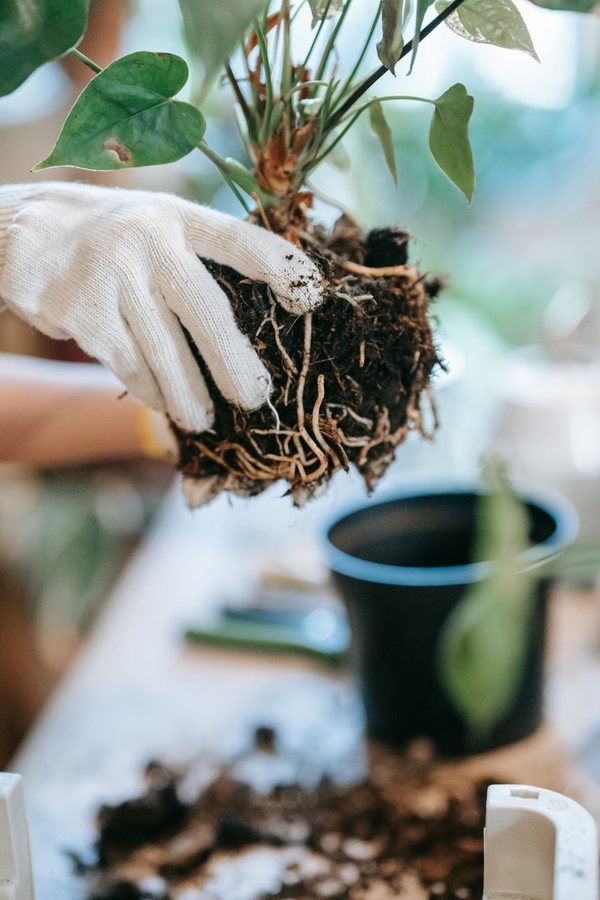
Soil spills from the pot during transit, exposing roots to air and damaging the root ball. This occurs when pots are not secured, when containers shift during movement, or when soil is not compacted before transport. Exposed roots dry quickly and the plant enters shock. Root cause: unsecured containers and insufficient soil preparation before loading.
Access denial and placement failure
The plant arrives intact but cannot be placed where intended. Doorways are too narrow, stairs are impassable, or the site has no clear ground access. The plant sits in a holding area, stressed and delayed. Root cause: no pre-delivery site survey and no access planning before transport begins.
How protection works.
Documented practices that prevent specific failures. Each method is sequenced and reasoned—wrapping prevents branch damage, securing prevents soil spillage, and access planning prevents placement failure.
Wrapping and internal bracing
Stems and branches are wrapped with protective material and internally braced with stakes or foam supports. This prevents flexing, vibration damage, and compression during transit. The wrapping is applied before loading and removed only at the final placement site. This method directly prevents broken branches and stem damage.
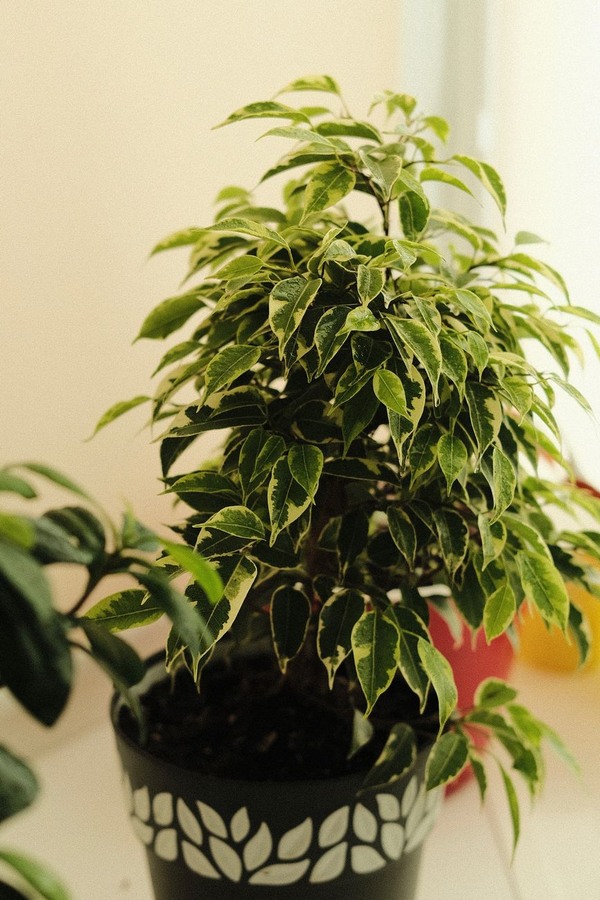
Container securing and soil compaction
Pots are secured to the transport surface using straps or cradles, preventing shift and tip-over. Soil is compacted before loading to reduce settling and spillage. Containers are positioned low in the vehicle to lower the center of gravity. This method directly prevents soil spillage and root exposure during movement.
Site access survey and placement planning
Before transport, the delivery site is surveyed for doorway widths, stair dimensions, ground surface, and access routes. The plant is sized and the route is confirmed. On arrival, the plant is positioned exactly where it will remain, avoiding temporary holding and repeated handling. This method directly prevents access denial and placement failure.
Where and how to place.
Site access, ground preparation, and positioning clarity. Placement is not the final step—it is the reason for every protection method. A plant that arrives intact but cannot be placed has failed the entire transport mission.
Different property types require different access strategies. A townhouse has narrow stairs and tight doorways. A villa has wide ground-level access but may have uneven terrain. A commercial space has loading docks but requires specific positioning for sight lines and safety codes. Each scenario is preventable with a pre-delivery site survey.

Townhouse: narrow stair access requires pre-measured plant height and width.
Villa: ground access confirmed; soil prepared before arrival.
Commercial: dock access and interior siting confirmed in advance.
Why these methods work.
Real scenarios. Documented outcomes. PlantGuard Diagnostics does not use invented metrics or generic best practices. Every protection method is traced to a specific failure mode and applied only when that failure is the diagnosed problem.
A property owner in Alexandria received a large specimen plant that arrived with broken branches. The transport company had not wrapped the stems. The owner applied wrapping and internal bracing on the next delivery—the plant arrived intact. A different owner faced access denial because the stairwell was not measured before transport. The next delivery included a site survey. The plant fit through. These are not testimonials. They are documented cause-and-effect sequences. Protection works because failure is preventable.
Diagnose your situation.
Tell us what happened. We'll map the solution. Share your transport problem—broken branches, soil spillage, access denial, or delivery failure—and PlantGuard will trace it to its root cause and recommend the specific protection method that prevents it next time.